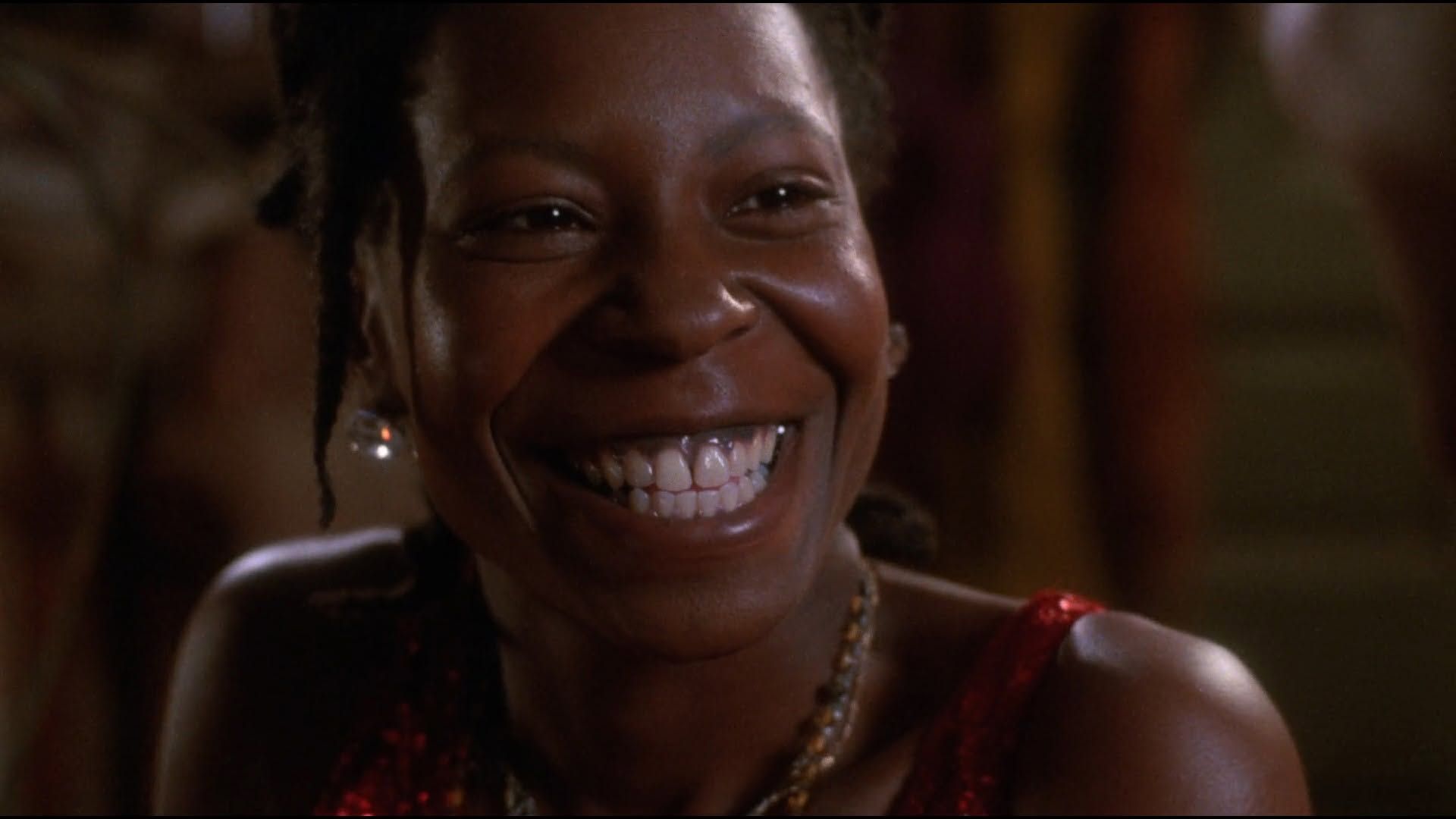
Tufti the Priestess: the book, the plait and the film of your life
Vadim Zeland's Tufti the Priestess in one page: reality as a film, waking up inside it, and the plait technique that lights up the next frame. What it teaches and how to start.
Tufti the Priestess is a book by Vadim Zeland, the author of Reality Transurfing. Its English edition is called Tufti the Priestess. Live Stroll Through a Movie. The book teaches one thing: reality runs like a film, and you can wake up inside it and choose the next frame with the plait.
Who is Tufti?
Tufti is the voice of the book. Zeland does not write as himself: Tufti speaks to you directly, sharp and teasing, from the first line: “I am Tufti and I’ve come to you from Time.” She mocks you when you sleepwalk and praises you when you wake up. The tone is part of the teaching. It keeps you awake while you read.
What does “life is a film” mean in the book?
Reality is a film reel. Every moment is a frame, and the frames already exist. You do not build the future by pushing against the present. You move from one frame to the next, and you can light up the frame you want before you get there.
Most of the time you are asleep in the film. You react to whatever the scene throws at you, like a character who does not know it is in a movie. Tufti’s first demand is simple: wake up. Notice yourself, notice the scene, and you are no longer only a character. You are also the one watching.
What is the plait?
The plait is an energy braid you feel as a phantom sensation between and slightly behind your shoulder blades, angled out from the spine. When you are asleep, Tufti says, Power leads you by the plait through the script like a puppet. When you are awake and take the plait into your own hands, you direct the script yourself.
How do you use the plait technique?
- Wake up. Stop, and see yourself and the scene around you.
- Feel the plait. Bring your attention to the point behind your shoulder blades until you sense it.
- Light up the frame. Keeping the plait in mind, picture what you want as already real, in the present tense: the scene, the words, the feeling.
- Let go. Release the plait and carry on with your day. The script shows you the how.
Repeat it a few times a day for anything that matters. You give the result. The film finds the road.
Why does this book sit on this shelf?
Because it says, in its own strange voice, what the posts here keep saying. Life is happening for us: the scene is not against you. Follow your excitement: choose the frame that pulls you, then trust the process. Tufti adds the method: wake up first, then choose.
Where to go next
- Read the book in a few sittings and try the plait the same day. The technique is the book.
- Zeland’s follow-up, What Tufti Didn’t Say, answers readers’ questions about the practice.
- If you want to see where you stand right now, and which definitions keep you asleep in the film, that is what an Aligner session does. The first one is free.